Death Cleanup
Home cleaning following a death includes affected possessions as well as fluid and odor cleanup.
See death cleanupSort, pack and remove belongings from a home, apartment, garage or storage area in Pinson after a death. Important documents and keepsakes are set aside under your instructions.

An estate cleanout following a death is a planned process for organizing, packing and removing someone's belongings when the family or legal representative has decided the property can be cleared.
Your approved categories guide the sorting of personal property into kept belongings, documents for examination, donation items, recyclables and ordinary waste. This work can extend through the home or apartment, garage, attic, storage unit and outbuildings. Moving out furniture and appliances can leave those rooms clear for the following stage.
A home may need general estate sorting without death cleanup if someone died there and bodily fluids did not affect any property. The order changes when the death was unattended or when visible blood, contamination or strong odor is present. Biohazard cleanup then has to happen before surrounding belongings are sorted, helping keep family and every person entering that area safer.
Belongings people could miss also deserve attention from a thoughtful cleanup service. For your inspection, set aside cash, medication, keepsakes, photographs, legal documents, keys and jewelry. You can identify priorities before the cleanup process begins and make decisions in stages when the contents are extensive.
Unmarked vehicles and protected common routes help keep the work discreet, while outgoing bags and boxes remain unobtrusive outside.
Pictures, papers, items of value and named keepsakes go into a distinct decision category instead of the general outgoing contents.
You decide how items are sorted, what receives priority and what may be removed before the first step begins. The plan can pause when a family decision is needed.
To move forward, use pictures, documented scope and expense invoices in conversations with relatives, estate representatives and insurance companies.
Estate cleanout services can help when a family, executor, landlord or property owner needs an orderly way to clear belongings after a death. Common situations include:
The affected area receives biohazard remediation before anyone assesses or removes contents from safe spaces.
Whoever has estate authority needs visual records, step-by-step decisions and a removal log for the property.
Large amounts of personal property require a slower room-by-room plan, clear keep lists and attention to blocked paths or hidden hazards.
Property contents are removed with consideration for parking, elevators, building access, other residents and the landlord's terms.
Confirm who is authorized to make estate decisions and make the property secure before anything else. To keep cleaning and removal from becoming confusing, begin with these steps:
Call (888) 440-9227Estate cleanout prices listed by the veteranhauling.com cost guide are $1,000 to $3,000 when a smaller home has one to two bedrooms, $3,000 to $7,000 when a mid-size home has three to four bedrooms and $7,000 to $15,000 when a home is large or heavily furnished. For one truckload, its load-based junk removal range begins at $300 and ends at $800 according to that guide. The contents present, needed disposal and property access affect your price.
These national ranges are taken from published cost guides, rather than a property visit. An on-site assessment determines your property's price, which is explained to you before the cleanup starts.
Ask about cost: (888) 440-9227Insurance does not automatically cover the ordinary work of clearing an estate, but a policy may cover cleanup tied to a covered loss. The estate or property owner often pays when no coverage applies.
The lease, area regulations and control of the contents may determine responsibility. Get authorization before you take personal property belonging to a tenant or alter the space.
Ask the insurance company whether the cause of damage is covered, whether biohazard or death cleanup is included and what records are required. Whether coverage applies varies by loss and policy terms.
Homeowners or renters insurance, the estate or the property owner usually pays for this kind of cleanup. The Alabama crime victim compensation program helps only when a crime caused the loss. Ask the program directly whether eligible crime scene cleanup or related costs are covered. That benefit might not apply to regular estate clearing.
The person managing the estate may ask an appropriate legal or financial adviser if estate money can cover clearing expenses. Retain both removal logs and expense invoices.
You may authorize each part of the cleanout and identify possessions that are never to be taken away. The process uses an orderly sequence beginning with access confirmation and ending with a final walk-through.
You or your representative checks each room, access point and priority item. Before belongings are sorted, suspected hazards and affected areas are identified.
You choose groups for the contents, including saved items, family decisions, planned donation, recycling, regular disposal and special disposal.
Important contents such as identification, financial records, pictures, keys, valuables and listed keepsakes are secured for decisions apart from outgoing items.
Cleanup crews use protective equipment and carry out the remediation process after securing the affected area, while ordinary contents work remains paused.
Your saved belongings receive clear labels and are packed according to room or group. Keeping documents and fragile objects separate from other contents makes them easier to inspect.
Approved furniture, boxes and ordinary debris are carried out along a planned route. Items requiring special care follow the proper waste disposal process.
Cleaning of ordinary residue and dust can begin when the rooms are vacant. Before completing odor removal, locate the origin of any smell that remains.
The final check lets you inspect vacant rooms, account for saved items and note repairs or restoration services before the property is handed over.
You can call anytime. Your estate cleanout after a death specialist answers the phone, describes what happens next and works with you on a start time.
Most property in an estate does not pose a biohazard, although the home may hold hazards that must be found before the sorting stage.
A memory can be attached to any belonging. Small decision groups and a written keep list give you room to move forward without pressure.
Bodily fluids on drywall, subfloor, furniture, padding or carpet may call for regulated waste disposal and professional cleanup before moving general belongings.
Decide separately how to address unsecured needles, medicines, home chemicals, fuel and ammunition. Never use your hands to put sharp or unidentified objects in a regular bag.
Can you clean it yourself? An ordinary cleanout crew should stop if hidden contamination appears. For fresh blood in a small quantity on hard, non-porous material, wear gloves and apply an EPA-registered disinfectant throughout its required contact time. When porous contents such as fabric, carpet or wood are affected by blood, have professional biohazard cleanup completed before continuing the cleanout.
Nothing should be treated as waste until it has been sorted under your plan. Personal property, ordinary debris and hazardous waste need separate paths.
Only a person with the proper authority should approve access, sale, donation or disposal. Court and estate requirements vary, so ask a qualified local professional when ownership is disputed.
Under 29 CFR 1910.1030, the OSHA Bloodborne Pathogens Standard establishes training, protective gear and work practice requirements for workers with potential blood exposure.
Alabama treats soaked materials from a biohazard scene as medical waste when they are saturated to the point of dripping blood. The Alabama Department of Environmental Management's rules control packing, transport and treatment, so it cannot go in household trash. Disposal routes may differ for regular home contents, chemicals, electronic devices, sharps and contaminated materials.
Alabama uses a county coroner system, with no statewide medical examiner, and the Alabama Department of Forensic Sciences performs autopsies and supports death investigations for coroners. Cleanup starts after police or the coroner release the scene. Scene cleaning and contents removal must wait for official release of the impacted space during involvement by law enforcement or a medical examiner or coroner.
No single schedule applies to every estate cleanout. A lightly furnished, smaller property may need only one work period. A full home that the family sorts carefully can take several separate visits, with biohazard cleanup, access constraints or delayed choices making the work longer.
The full estate cleanout after a death guide covers what is cleaned or removed, odor and air quality work, and the rules that apply in Alabama and Jefferson County.
Read the full estate cleanout after a death guideContainment, entry and cleanup plans can be influenced by local housing, population and access details.
At 19.6% renter occupancy, most housing is owner occupied, which can reduce the number of parties involved in cleanup authorization.
The median home in Pinson was built in 1985, so cleanup may involve common drywall, carpet, and sheet flooring assemblies.
With 24.9% of seniors living alone, private cleanup communication may need to include a relative who lives somewhere else.
At 97.3% single-family housing, cleanup boundaries may include attached garages, utility rooms, or storage areas beyond the main room.
You can ask about cleanup in nearby communities and ZIP codes during the call.
Home cleaning following a death includes affected possessions as well as fluid and odor cleanup.
See death cleanup
Decomposition cleanup and odor control are needed after a death goes unnoticed for several days.
See unattended death cleanup
Careful work in the family home follows when a death is discovered quickly.
See attended death cleanup
Removal of decomposition fluids from floors, subfloors and furniture.
See decomposition cleanup
At the source, death odor removal uses air scrubbers plus hydroxyl and ozone treatment.
See death odor removal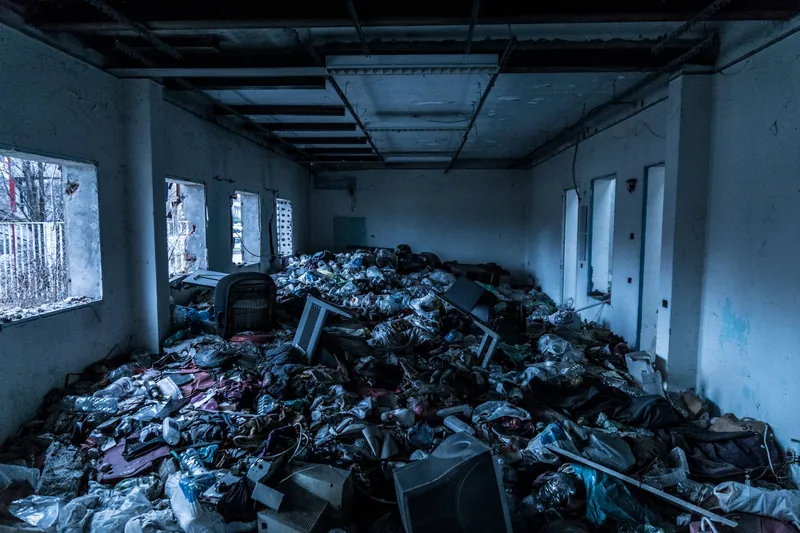
Hoarding cleanup combines respectful sorting, removal and deep cleaning.
See hoarding cleanup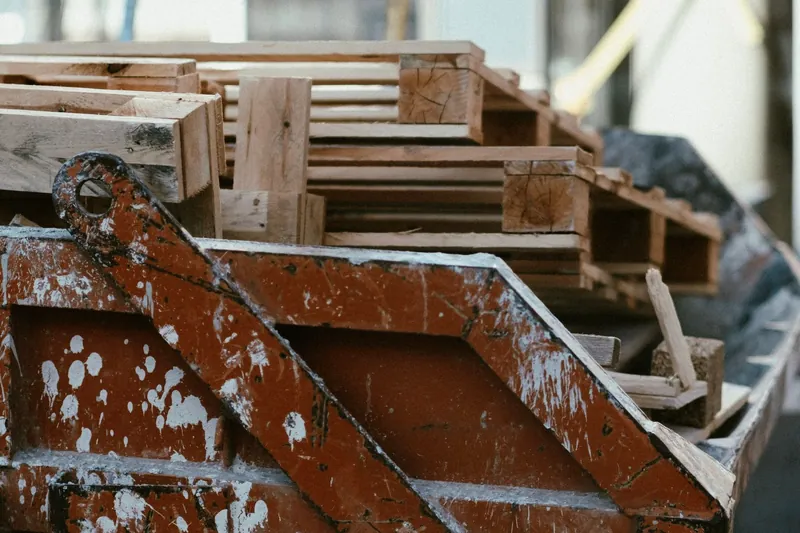
Hoarder house cleanout from the first room to the last, with trash hauled away.
See hoarder house cleanout
Biohazard waste pickup and disposal in sealed, labeled containers.
See biohazard waste disposalStart with items that are easy to identify and difficult to replace, such as identification, estate papers, photographs, keys, jewelry, cash, medication and named keepsakes. You are not expected to carry large or weighty contents. Write down the belongings that matter so sorting can locate them.
Estate clearing may involve sorting every room, packing your saved belongings, separating papers and valuables, and taking out authorized furniture, appliances and household waste. The service may include checking for hazards as well. Death cleanup by professionals should come first wherever decomposition, bodily fluids or blood affected the property.
A sorting category can identify potential donations while leaving acceptance decisions to the organization receiving them. Its current needs, safety requirements and the condition of each item shape acceptance. Confirm the destination for donations and check acceptance before including damaged property, chemicals, medical equipment or mattresses.
The cited guide places a small home at $1,000 to $3,000; a mid-size home at $3,000 to $7,000; and a heavily furnished or large property at $7,000 to $15,000 for that category. Contents, truckloads, special disposal and access affect the final scope and price.
Legal authority can rest with the owner, executor, administrator, trustee or another person permitted to act. Estate paperwork and the local procedure determine who can act. If authorization remains unclear or relatives disagree, do not remove personal property, and first consult a qualified probate professional in your area.
Do not keep sorting near the affected area. You should restrict access, never hand-pick loose sharp objects and ensure contaminated materials do not enter the normal waste stream. A professional cleanup assessment can determine the protective equipment, disinfection and waste disposal needed before ordinary estate work safely resumes nearby.
Crews carry out respectful, discreet estate cleanout after a death, arrive in unmarked vehicles and take calls 24 hours a day.